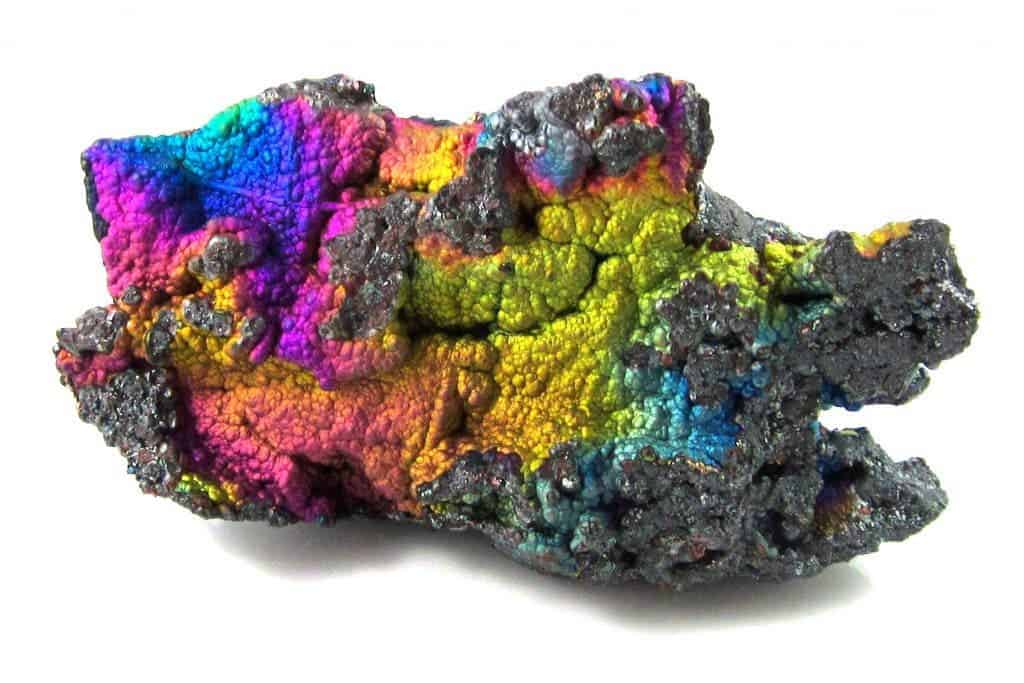
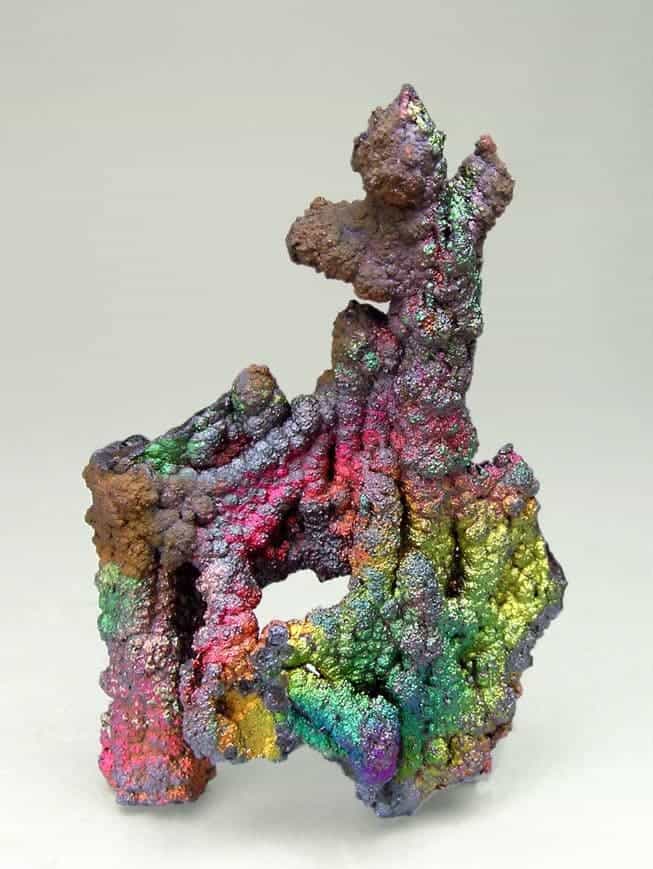
Originally described from Turjinskii Mine (Turginsk Mine) in Russia, turgite is generally considered a variety of two more common minerals – goethite and hematite. Turgite is a mixture of the two minerals due to the alteration of goethite, typically found in the botryoidal (globular) habit of the “parent” goethite; however, because it is a mixture of two minerals, it is not considered a mineral in itself.
Subscribe to our newsletter and receive our new book for FREE
Join 50,000+ subscribers vaccinated against pseudoscience
By subscribing you agree to our
Privacy Policy. Give it a try, you can unsubscribe anytime.
Image via Imgur.
Colloquially, in some circles, it is also referred to as “unicorn dung”… I won’t go into much detail, but I think you can imagine things out.
Original Text (This is the original text for your reference.)
Image source: Crystal Clear Radio.
Originally described from Turjinskii Mine (Turginsk Mine) in Russia, turgite is generally considered a variety of two more common minerals – goethite and hematite. Turgite is a mixture of the two minerals due to the alteration of goethite, typically found in the botryoidal (globular) habit of the “parent” goethite; however, because it is a mixture of two minerals, it is not considered a mineral in itself.
Subscribe to our newsletter and receive our new book for FREE
Join 50,000+ subscribers vaccinated against pseudoscience
By subscribing you agree to our
Privacy Policy. Give it a try, you can unsubscribe anytime.
Image via Imgur.
Colloquially, in some circles, it is also referred to as “unicorn dung”… I won’t go into much detail, but I think you can imagine things out.
Disclaimer: The translated content is provided by third-party translation service providers, and IKCEST shall not assume any responsibility for the accuracy and legality of the content.




 User Center
 My Training Class
 Feedback






 Report
 Share
Share





Comments
Something to say?
Log in or Sign up for free