

Welcome to the IKCEST
AI tokens a hit on China's Singles' Day as consumers embrace AI boom
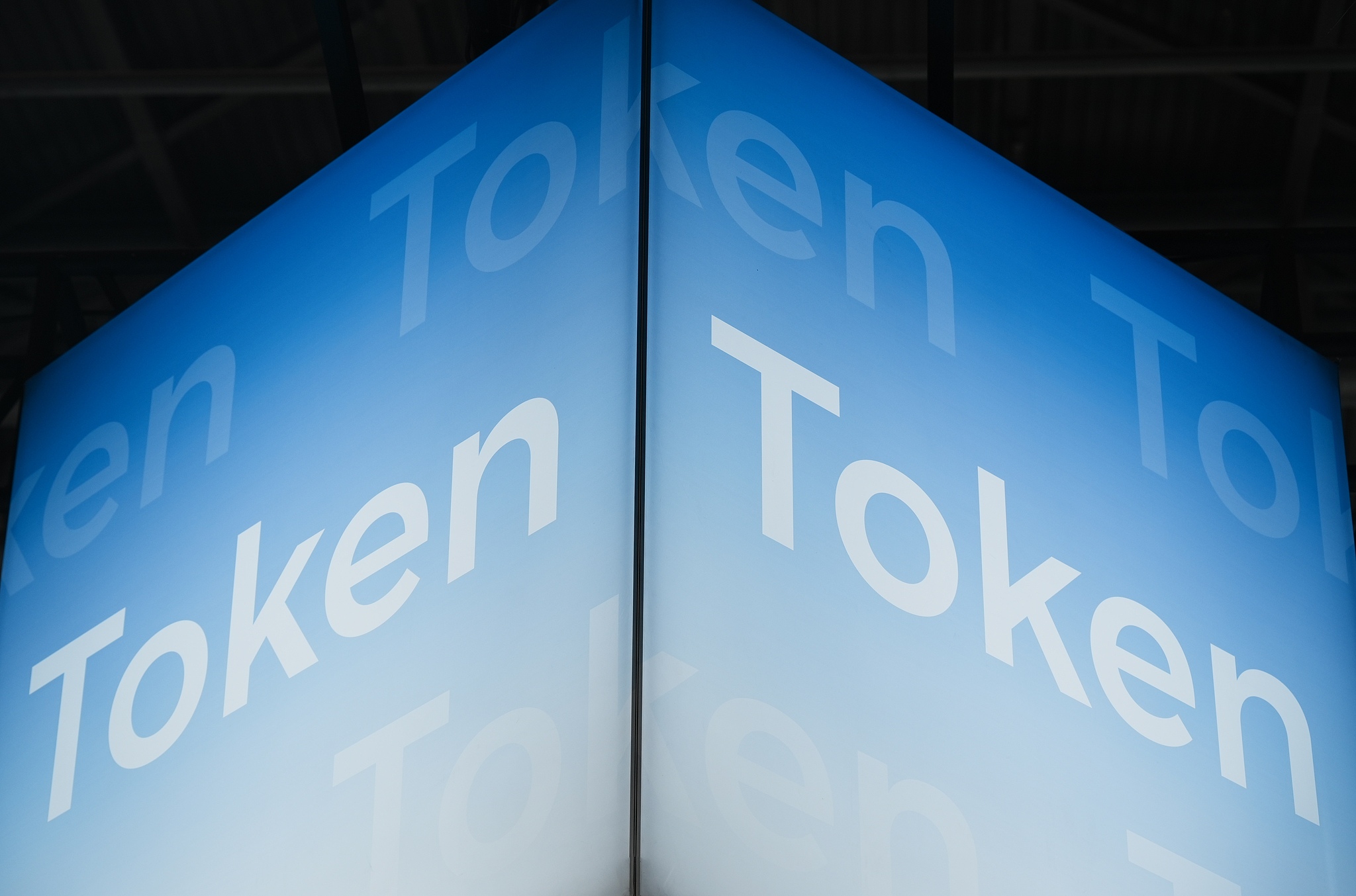
An illuminated light box featuring the word

An illuminated light box featuring the word "Token". /VCG

Artificial intelligence (AI) tokens, the basic units used by large language models to process information, have emerged as a new product category on e-commerce platforms during China's Singles' Day shopping festival, as ordinary Chinese consumers increasingly join the AI boom.

Often described as the "fuel" powering AI models, tokens are increasingly being marketed to individual users through two main payment options: prepaid credits and subscription packages.

Prepaid credits work much like mobile phone top-ups, allowing users to purchase tokens as needed. Subscription packages, meanwhile, offer fixed amounts of usage over a monthly or annual period. They are aimed at users who rely on AI tools regularly, including office workers, content creators and small teams.

The trend was highlighted on November 2, when Chen Yusen, a vice president of Alibaba Group and the CEO of QwenWork, appeared in a livestream hosted by Chinese influencer Li Jiaqi to promote AI services. Li is one of China's top livestreaming salespeople, best known for his incredible sales power in beauty and cosmetics – once reportedly selling over 5 million lipsticks in just five hours. 

Nearly 100,000 personal monthly membership cards for Qwen's AI services, offered at a promotional price of 0.01 yuan ($ 0.0015) each, were sold within 30 minutes, representing access to approximately 2 trillion tokens, according to media reports.

Major e-commerce platforms have also expanded their offerings. Tmall launched a dedicated token recharge center on September 3, initially connecting services from providers like Alibaba Cloud, Zhipu AI, Kimi, MiniMax and DeepSeek. JD.com also brought token packages from more than 10 large-model providers to a promotional livestream on November 2.

Sales figures have reflected growing market activity. Tmall reported a 450% month-on-month increase in transaction value for its token category on the first day of its Singles'Day promotion. On JD.com's 3C and digital products livestreaming channel, sales of large-model token packages rose 20-fold within two hours, according to media reports.

A conceptual image featuring miniature figures standing beside gold coins, with a magnifying glass focusing on the word

A conceptual image featuring miniature figures standing beside gold coins, with a magnifying glass focusing on the word "Token". /VCG

Token-based AI services can be used for tasks like summarizing meeting minutes, drafting video scripts and condensing lengthy reports, offering consumers a range of applications in their daily work.

However, differences in tokenization methods across AI models have raised questions about price comparability. The same Chinese text may be divided into different numbers of tokens by different models, meaning that packages offering identical token quotas may not represent equivalent amounts of computing resources.

The lack of a unified measurement standard also complicates price comparisons across platforms. Differences in token measurement and billing practices across platforms remain a challenge as token-based services expand into the consumer market.

(With input from agencies)

Original Text (This is the original text for your reference.)

An illuminated light box featuring the word

An illuminated light box featuring the word "Token". /VCG

Artificial intelligence (AI) tokens, the basic units used by large language models to process information, have emerged as a new product category on e-commerce platforms during China's Singles' Day shopping festival, as ordinary Chinese consumers increasingly join the AI boom.

Often described as the "fuel" powering AI models, tokens are increasingly being marketed to individual users through two main payment options: prepaid credits and subscription packages.

Prepaid credits work much like mobile phone top-ups, allowing users to purchase tokens as needed. Subscription packages, meanwhile, offer fixed amounts of usage over a monthly or annual period. They are aimed at users who rely on AI tools regularly, including office workers, content creators and small teams.

The trend was highlighted on November 2, when Chen Yusen, a vice president of Alibaba Group and the CEO of QwenWork, appeared in a livestream hosted by Chinese influencer Li Jiaqi to promote AI services. Li is one of China's top livestreaming salespeople, best known for his incredible sales power in beauty and cosmetics – once reportedly selling over 5 million lipsticks in just five hours. 

Nearly 100,000 personal monthly membership cards for Qwen's AI services, offered at a promotional price of 0.01 yuan ($ 0.0015) each, were sold within 30 minutes, representing access to approximately 2 trillion tokens, according to media reports.

Major e-commerce platforms have also expanded their offerings. Tmall launched a dedicated token recharge center on September 3, initially connecting services from providers like Alibaba Cloud, Zhipu AI, Kimi, MiniMax and DeepSeek. JD.com also brought token packages from more than 10 large-model providers to a promotional livestream on November 2.

Sales figures have reflected growing market activity. Tmall reported a 450% month-on-month increase in transaction value for its token category on the first day of its Singles'Day promotion. On JD.com's 3C and digital products livestreaming channel, sales of large-model token packages rose 20-fold within two hours, according to media reports.

A conceptual image featuring miniature figures standing beside gold coins, with a magnifying glass focusing on the word

A conceptual image featuring miniature figures standing beside gold coins, with a magnifying glass focusing on the word "Token". /VCG

Token-based AI services can be used for tasks like summarizing meeting minutes, drafting video scripts and condensing lengthy reports, offering consumers a range of applications in their daily work.

However, differences in tokenization methods across AI models have raised questions about price comparability. The same Chinese text may be divided into different numbers of tokens by different models, meaning that packages offering identical token quotas may not represent equivalent amounts of computing resources.

The lack of a unified measurement standard also complicates price comparisons across platforms. Differences in token measurement and billing practices across platforms remain a challenge as token-based services expand into the consumer market.

(With input from agencies)

Comments

    Something to say?

    Login or Sign up for free

    Disclaimer: The translated content is provided by third-party translation service providers, and IKCEST shall not assume any responsibility for the accuracy and legality of the content.
    Translate engine
    Article's language
    English
    中文
    Pусск
    Français
    Español
    العربية
    Português
    Kikongo
    Dutch
    kiswahili
    هَوُسَ
    IsiZulu
    Action
    Related

    Report

    Select your report category *


    Reason *


    By pressing send, your feedback will be used to improve IKCEST. Your privacy will be protected.

    Submit
    Cancel