

Welcome to the IKCEST
BRICS and AI: From consumers to creators
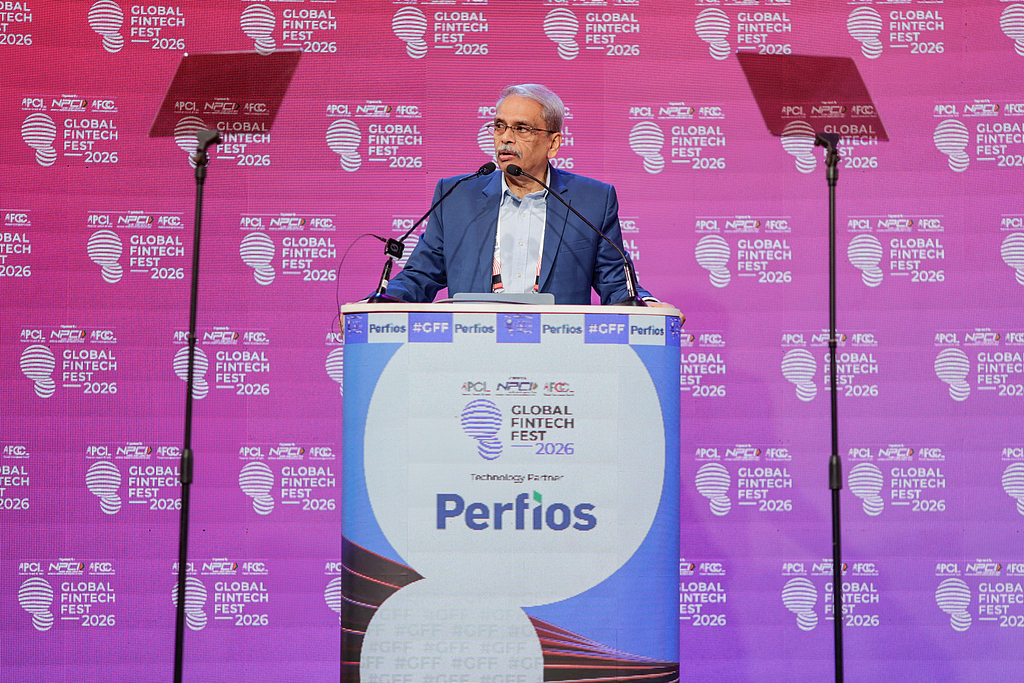
Kris Gopalakrishnan, co-founder of Infosys, attends the Global Fintech Fest in Mumbai, India, September 9, 2026. /VCG

Kris Gopalakrishnan, co-founder of Infosys, attends the Global Fintech Fest in Mumbai, India, September 9, 2026. /VCG

Artificial intelligence is the technological force multiplier of the 21st century. For developing countries, the question is not whether AI matters, but whether they can afford to shape it.

BRICS – the grouping of Brazil, Russia, India, China and South Africa, now expanded – was created as a platform for emerging economies. Its upcoming summit in New Delhi on September 12-13 is set to focus on how its members can move from being consumers of AI to active participants in its development. 

That debate has shifted from what rules AI needs to how developing countries can access the computing power, data and expertise required to build their own AI models. 
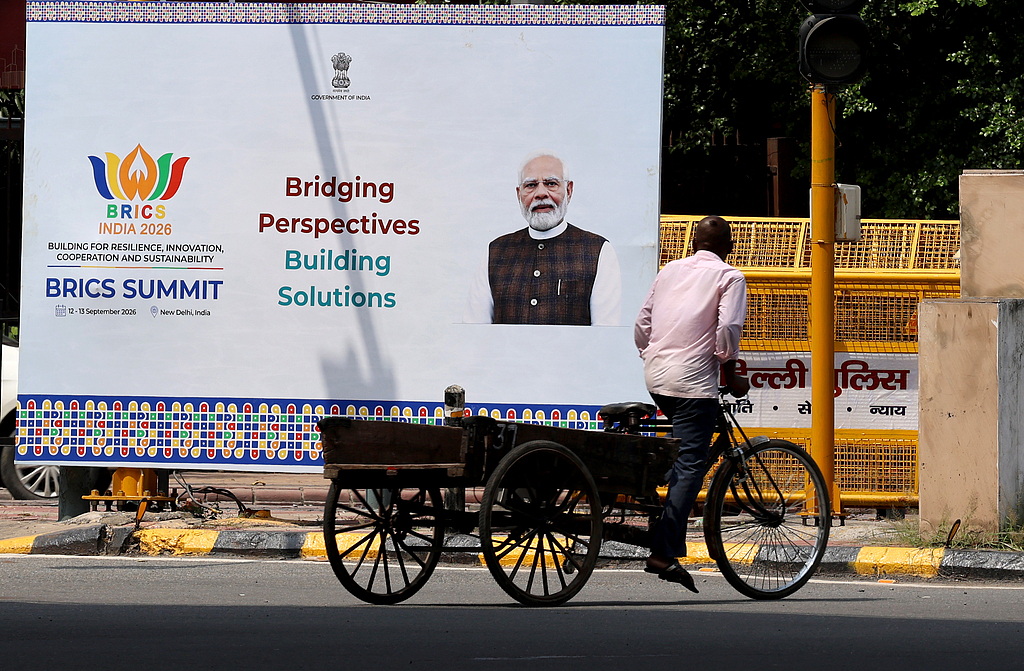
A BRICS billboard is seen ahead of the 18th BRICS Summit in New Delhi, India, September 8, 2026. /VCG

A BRICS billboard is seen ahead of the 18th BRICS Summit in New Delhi, India, September 8, 2026. /VCG

That shift has been shaped, in part, by China's push for a more inclusive approach. Beijing put forward its Global AI Governance Initiative in 2023 and sponsored a UN resolution on AI capacity-building, adopted by consensus in 2024. These efforts have framed AI not just as a technological issue, but as a development issue, one that affects the Global South's ability to compete, innovate and thrive. 

In July 2025, BRICS leaders agreed in Rio de Janeiro that AI should promote innovation and inclusive growth without widening digital and economic divides, adopting The BRICS Perspective on AI Governance. 

The statement called for trustworthy and transparent AI, personal data protection, human oversight and Global South inclusion. "Artificial intelligence must not be a privilege for the few," Brazilian President Luiz Inacio Lula da Silva said at the summit.

The document also championed digital infrastructure, technical skills and research capacity for developing countries, and a central role for the UN in global AI governance. 

Under India's 2026 presidency, that broad position has taken a practical turn. Meetings of BRICS science academies have identified shared computing infrastructure, collaborative data platforms and open-source scientific tools as areas for cooperation. The spotlight on multilingual and specialized models reflects the group's view that AI should respond to local conditions instead of chasing ever-more powerful general-purpose models.
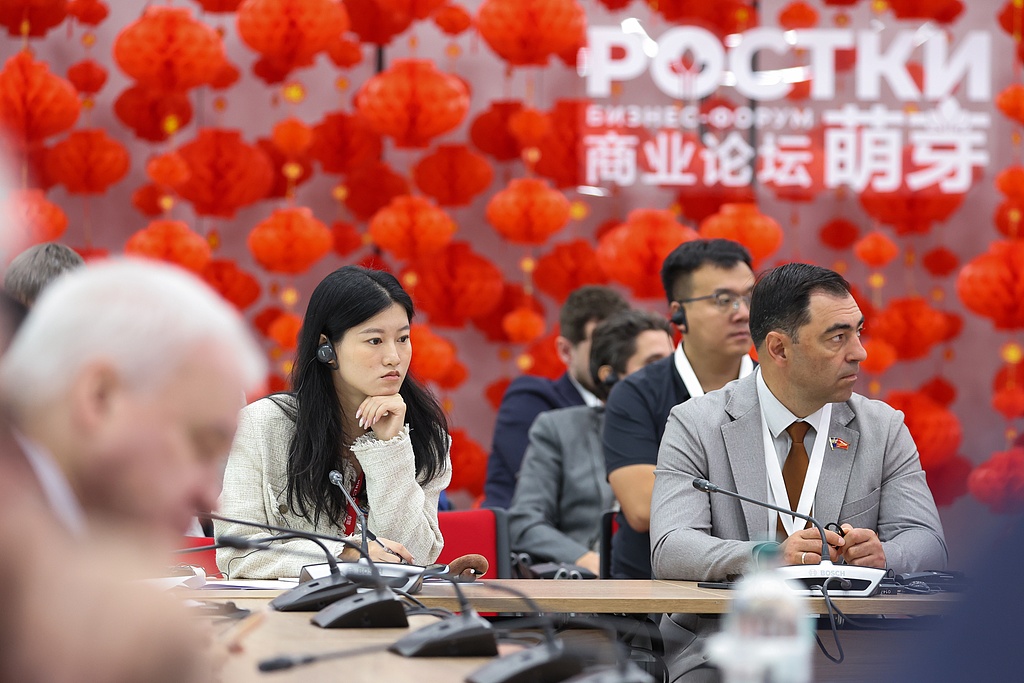
A session on BRICS and the Global South is held during the 2026 Russia-China Business Forum in Kazan, Russia, August 18, 2026. /VCG

A session on BRICS and the Global South is held during the 2026 Russia-China Business Forum in Kazan, Russia, August 18, 2026. /VCG

At the BRICS Science Academies Forum in July at IIT Hyderabad, participants focused on using AI in healthcare, agriculture, climate forecasting, disaster management and advanced manufacturing – areas closely tied to public services and sustainable development.

Some mechanisms for sharing resources are already taking shape. Last month, BRICS ministers adopted the Chennai Declaration, supporting joint research, scientific exchanges and wider access to research infrastructure.

The declaration also welcomed progress on BRICS GRAIN – a network connecting major research facilities – as well as plans for a repository linking researchers, datasets and potential partners.

Anurag Agrawal, vice president for science policy at the Indian National Science Academy, linked this cooperation to the broader development needs of the Global South.

“South-South BRICS cooperation in AI can bring change in a far more equitable way, one that leads to genuinely sustainable development,” he said.


Original Text (This is the original text for your reference.)

Kris Gopalakrishnan, co-founder of Infosys, attends the Global Fintech Fest in Mumbai, India, September 9, 2026. /VCG

Kris Gopalakrishnan, co-founder of Infosys, attends the Global Fintech Fest in Mumbai, India, September 9, 2026. /VCG

Artificial intelligence is the technological force multiplier of the 21st century. For developing countries, the question is not whether AI matters, but whether they can afford to shape it.

BRICS – the grouping of Brazil, Russia, India, China and South Africa, now expanded – was created as a platform for emerging economies. Its upcoming summit in New Delhi on September 12-13 is set to focus on how its members can move from being consumers of AI to active participants in its development. 

That debate has shifted from what rules AI needs to how developing countries can access the computing power, data and expertise required to build their own AI models. 

A BRICS billboard is seen ahead of the 18th BRICS Summit in New Delhi, India, September 8, 2026. /VCG

A BRICS billboard is seen ahead of the 18th BRICS Summit in New Delhi, India, September 8, 2026. /VCG

That shift has been shaped, in part, by China's push for a more inclusive approach. Beijing put forward its Global AI Governance Initiative in 2023 and sponsored a UN resolution on AI capacity-building, adopted by consensus in 2024. These efforts have framed AI not just as a technological issue, but as a development issue, one that affects the Global South's ability to compete, innovate and thrive. 

In July 2025, BRICS leaders agreed in Rio de Janeiro that AI should promote innovation and inclusive growth without widening digital and economic divides, adopting The BRICS Perspective on AI Governance. 

The statement called for trustworthy and transparent AI, personal data protection, human oversight and Global South inclusion. "Artificial intelligence must not be a privilege for the few," Brazilian President Luiz Inacio Lula da Silva said at the summit.

The document also championed digital infrastructure, technical skills and research capacity for developing countries, and a central role for the UN in global AI governance. 

Under India's 2026 presidency, that broad position has taken a practical turn. Meetings of BRICS science academies have identified shared computing infrastructure, collaborative data platforms and open-source scientific tools as areas for cooperation. The spotlight on multilingual and specialized models reflects the group's view that AI should respond to local conditions instead of chasing ever-more powerful general-purpose models.

A session on BRICS and the Global South is held during the 2026 Russia-China Business Forum in Kazan, Russia, August 18, 2026. /VCG

A session on BRICS and the Global South is held during the 2026 Russia-China Business Forum in Kazan, Russia, August 18, 2026. /VCG

At the BRICS Science Academies Forum in July at IIT Hyderabad, participants focused on using AI in healthcare, agriculture, climate forecasting, disaster management and advanced manufacturing – areas closely tied to public services and sustainable development.

Some mechanisms for sharing resources are already taking shape. Last month, BRICS ministers adopted the Chennai Declaration, supporting joint research, scientific exchanges and wider access to research infrastructure.

The declaration also welcomed progress on BRICS GRAIN – a network connecting major research facilities – as well as plans for a repository linking researchers, datasets and potential partners.

Anurag Agrawal, vice president for science policy at the Indian National Science Academy, linked this cooperation to the broader development needs of the Global South.

“South-South BRICS cooperation in AI can bring change in a far more equitable way, one that leads to genuinely sustainable development,” he said.

Comments

    Something to say?

    Login or Sign up for free

    Disclaimer: The translated content is provided by third-party translation service providers, and IKCEST shall not assume any responsibility for the accuracy and legality of the content.
    Translate engine
    Article's language
    English
    中文
    Pусск
    Français
    Español
    العربية
    Português
    Kikongo
    Dutch
    kiswahili
    هَوُسَ
    IsiZulu
    Action
    Related

    Report

    Select your report category *


    Reason *


    By pressing send, your feedback will be used to improve IKCEST. Your privacy will be protected.

    Submit
    Cancel