

Welcome to the IKCEST
Bright Venus, Mid-Autumn moon to highlight September skies
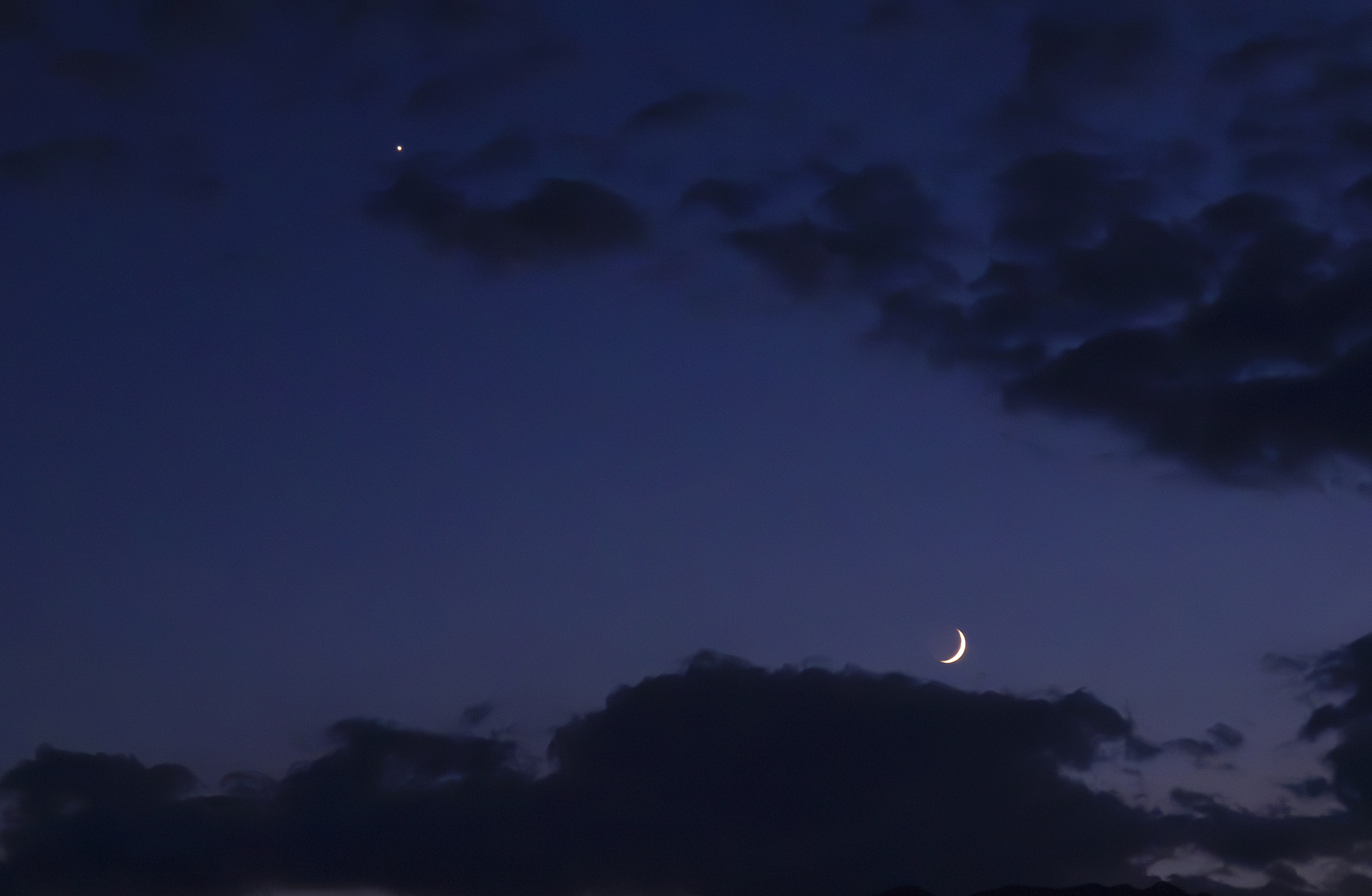
Venus and the moon appear together in the sky over Enshi, Hubei Province, central China, August 15, 2026. /VCG

Venus and the moon appear together in the sky over Enshi, Hubei Province, central China, August 15, 2026. /VCG

September will bring a series of skywatching events across China, with Venus and the Mid-Autumn moon among the month's main attractions.

From September 7 to 17, the moon will pass near Mars, Jupiter, Venus and Antares in succession. The highlight comes on September 14, when Venus will appear close to a crescent moon, with viewing conditions expected to be particularly favorable in southern China.
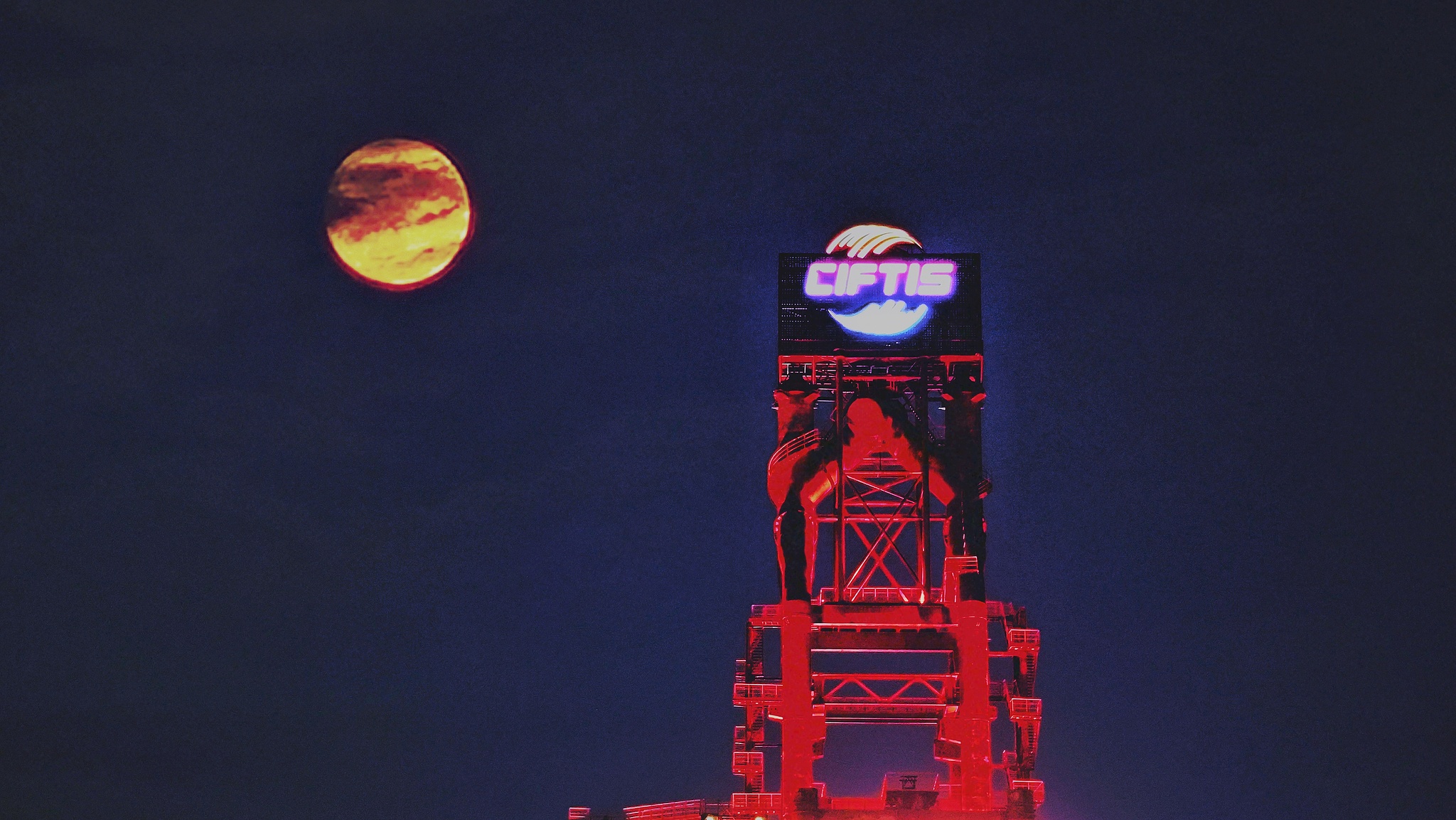
A full moon rises over Shougang Park on the night of the Mid-Autumn Festival in Beijing, China, October 6, 2025. /VCG

A full moon rises over Shougang Park on the night of the Mid-Autumn Festival in Beijing, China, October 6, 2025. /VCG

Observers in parts of Yunnan, Guizhou and Guangxi may also be able to see the moon pass in front of Venus near the horizon, an event known as a lunar occultation.

Yang Jing, a member of the Chinese Astronomical Society and a council member of the Tianjin Astronomical Society, said the event will be challenging to observe but worth watching. Venus will appear in a crescent phase similar to the moon, allowing telescope users to see what looks like a large crescent and a smaller one shining together.

Venus will return to the spotlight on September 19, when it reaches its brightest point of the year as the "evening star," with an apparent magnitude of minus 4.8.

Under clear skies, Yang said Venus should be visible low in the southwestern sky from an open location with an unobstructed view. The best viewing window will be during the hour between sunset and nightfall.
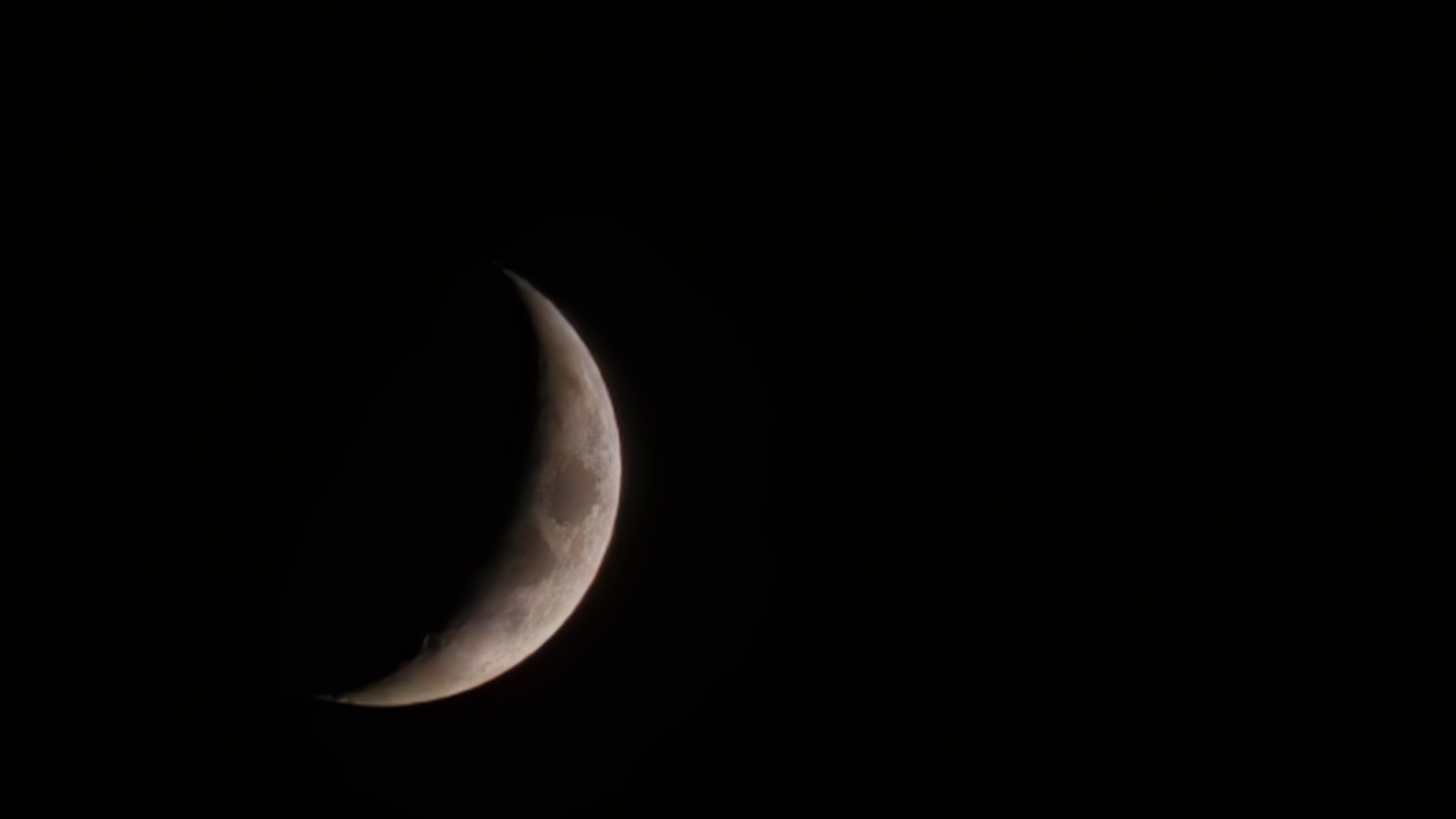
Venus and the moon appear close together in the night sky over Chaoyang, Liaoning Province, China, July 18, 2026. /VCG

Venus and the moon appear close together in the night sky over Chaoyang, Liaoning Province, China, July 18, 2026. /VCG

Later in the month, attention will turn to the Mid-Autumn moon. The Mid-Autumn Festival falls on September 25 this year, but the moon will not reach its fullest phase until 12:49 a.m. on September 27, the 17th day of the eighth lunar month.

Yang said viewers do not need to catch the exact moment of the full moon. To the naked eye, the moon will look very similar on the nights of September 25, 26 and 27, making all three suitable for moon watching.

Neptune will also reach opposition on September 26, when it will be closest to Earth and appear at its largest. However, the event coincides with the full moon, and strong moonlight will make the faint planet difficult to locate even with a telescope. Yang recommended trying to observe Neptune on nights away from the full moon instead.


Original Text (This is the original text for your reference.)

Venus and the moon appear together in the sky over Enshi, Hubei Province, central China, August 15, 2026. /VCG

Venus and the moon appear together in the sky over Enshi, Hubei Province, central China, August 15, 2026. /VCG

September will bring a series of skywatching events across China, with Venus and the Mid-Autumn moon among the month's main attractions.

From September 7 to 17, the moon will pass near Mars, Jupiter, Venus and Antares in succession. The highlight comes on September 14, when Venus will appear close to a crescent moon, with viewing conditions expected to be particularly favorable in southern China.

A full moon rises over Shougang Park on the night of the Mid-Autumn Festival in Beijing, China, October 6, 2025. /VCG

A full moon rises over Shougang Park on the night of the Mid-Autumn Festival in Beijing, China, October 6, 2025. /VCG

Observers in parts of Yunnan, Guizhou and Guangxi may also be able to see the moon pass in front of Venus near the horizon, an event known as a lunar occultation.

Yang Jing, a member of the Chinese Astronomical Society and a council member of the Tianjin Astronomical Society, said the event will be challenging to observe but worth watching. Venus will appear in a crescent phase similar to the moon, allowing telescope users to see what looks like a large crescent and a smaller one shining together.

Venus will return to the spotlight on September 19, when it reaches its brightest point of the year as the "evening star," with an apparent magnitude of minus 4.8.

Under clear skies, Yang said Venus should be visible low in the southwestern sky from an open location with an unobstructed view. The best viewing window will be during the hour between sunset and nightfall.

Venus and the moon appear close together in the night sky over Chaoyang, Liaoning Province, China, July 18, 2026. /VCG

Venus and the moon appear close together in the night sky over Chaoyang, Liaoning Province, China, July 18, 2026. /VCG

Later in the month, attention will turn to the Mid-Autumn moon. The Mid-Autumn Festival falls on September 25 this year, but the moon will not reach its fullest phase until 12:49 a.m. on September 27, the 17th day of the eighth lunar month.

Yang said viewers do not need to catch the exact moment of the full moon. To the naked eye, the moon will look very similar on the nights of September 25, 26 and 27, making all three suitable for moon watching.

Neptune will also reach opposition on September 26, when it will be closest to Earth and appear at its largest. However, the event coincides with the full moon, and strong moonlight will make the faint planet difficult to locate even with a telescope. Yang recommended trying to observe Neptune on nights away from the full moon instead.

Comments

    Something to say?

    Login or Sign up for free

    Disclaimer: The translated content is provided by third-party translation service providers, and IKCEST shall not assume any responsibility for the accuracy and legality of the content.
    Translate engine
    Article's language
    English
    中文
    Pусск
    Français
    Español
    العربية
    Português
    Kikongo
    Dutch
    kiswahili
    هَوُسَ
    IsiZulu
    Action
    Related

    Report

    Select your report category *


    Reason *


    By pressing send, your feedback will be used to improve IKCEST. Your privacy will be protected.

    Submit
    Cancel