




 User Center
 My Training Class
 Feedback


A plant that looks like a giant dandelion is drawing attention in Beijing's Tongzhou District. Yellow salsify (Tragopogon dubius) grows tall and upright and develops a fluffy, fist-sized seed head after flowering.
The district has cleared more than 57,000 of the plants at 148 sites, covering more than 68,000 square meters, using digital technologies to improve invasive species monitoring and ecological restoration.
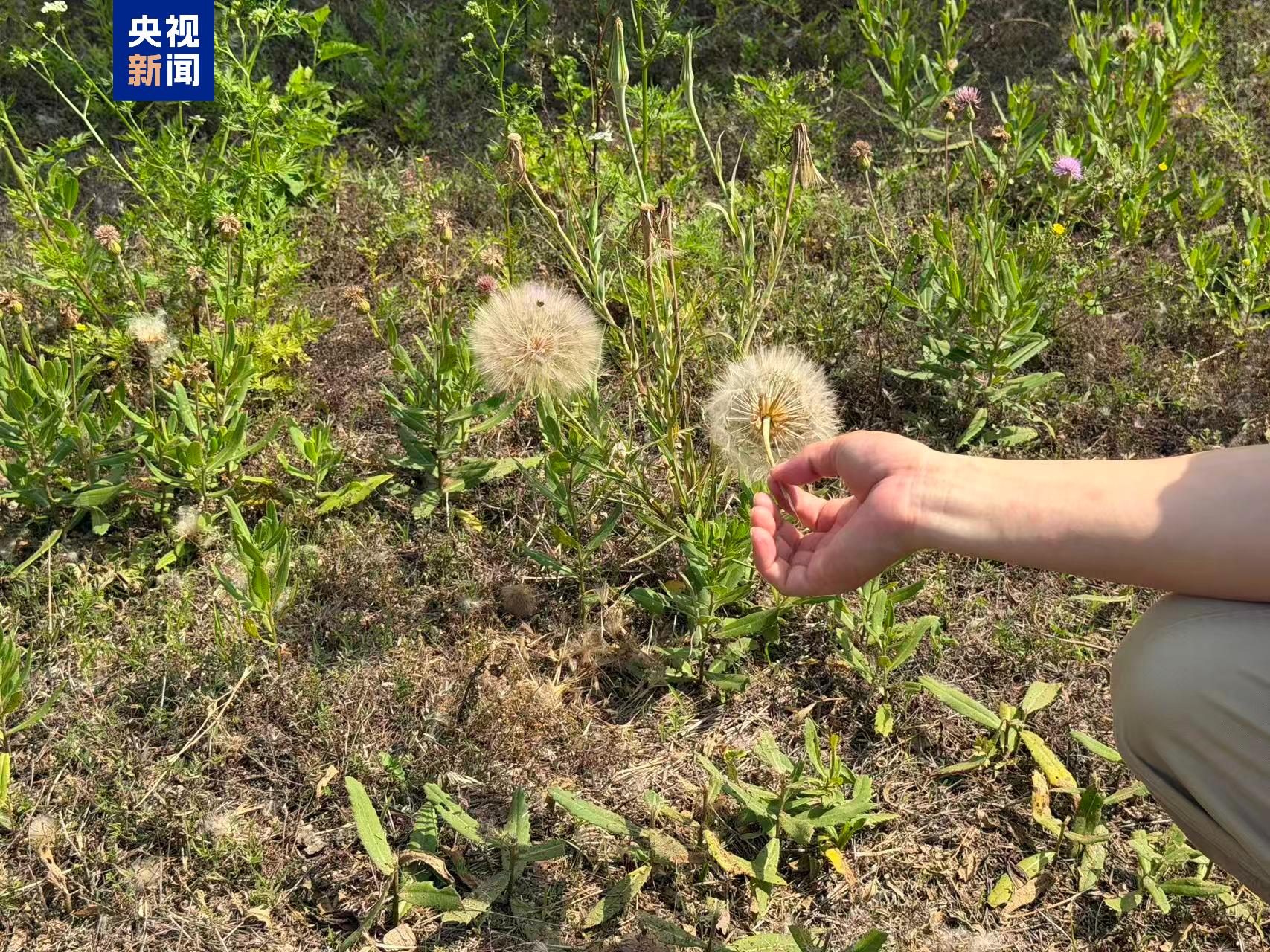
The yellow salsify. /China Media Group
The Tongzhou District People's Procuratorate identified multiple sites through a public-interest litigation supervision model, satellite remote sensing and expert assessment.
The plant was included in Tongzhou's survey list of invasive species in forests, grasslands and wetlands in 2023. Experts said it has strong adaptability and rapid reproduction, and may, if it becomes widespread, compete with native plants for water, soil nutrients and living space.
Satellite remote sensing was used to estimate its distribution. Authorities then worked with experts to develop a treatment plan combining manual removal, deep burial and replacement with native vegetation.
A follow-up assessment found that the methods had not caused secondary damage to native soil or vegetation. In some areas, native plants were replanted to increase vegetation coverage and help prevent recurrence.
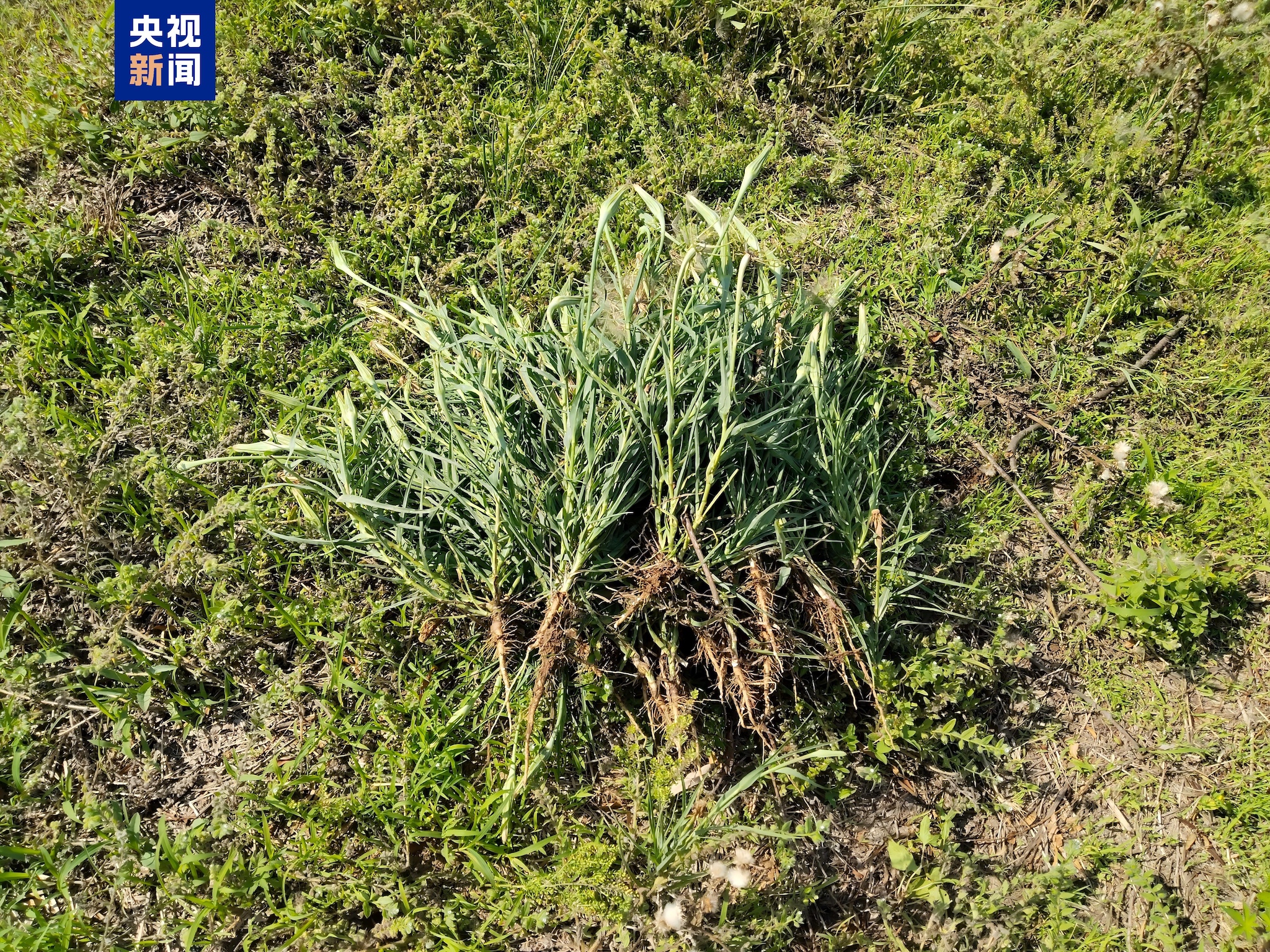
Uprooted yellow salsify plants. /China Media Group
The case highlights the role of digital technologies in invasive species control. The supervision model integrates monitoring data, public complaints and internet information, comparing vegetation imagery from different periods with invasive species lists to identify potential locations.
Satellite remote sensing, drones and geographic information system (GIS) spatial analysis can help determine the distribution and coverage of invasive species, including in areas difficult to access. AI-assisted identification combined with expert assessment can also support species identification and evidence collection.

The yellow salsify is seen in Beijing, China. /China Media Group
Similar digital approaches are being used elsewhere. Procuratorial authorities in Jilin Province have established a big-data early-warning platform for ragweed control, while Chongqing Municipality and Hunan and Jiangxi provinces have deployed big-data legal supervision models.
The Ecological and Environmental Code will take effect on August 15. Experts said it will strengthen requirements for environmental supervision through information, digital and intelligent technologies, establish mechanisms for environmental information sharing, and strengthen coordination among government departments.
The code is expected to provide stronger legal support for a full-chain approach to invasive species control, covering monitoring and early warning, treatment, verification, and coordinated prevention and control.




 Report
 Share
Share





Comments
Something to say?
Login or Sign up for free