

Welcome to the IKCEST
China honors 5 'most beautiful sci-tech workers' in self-reliance push
The five

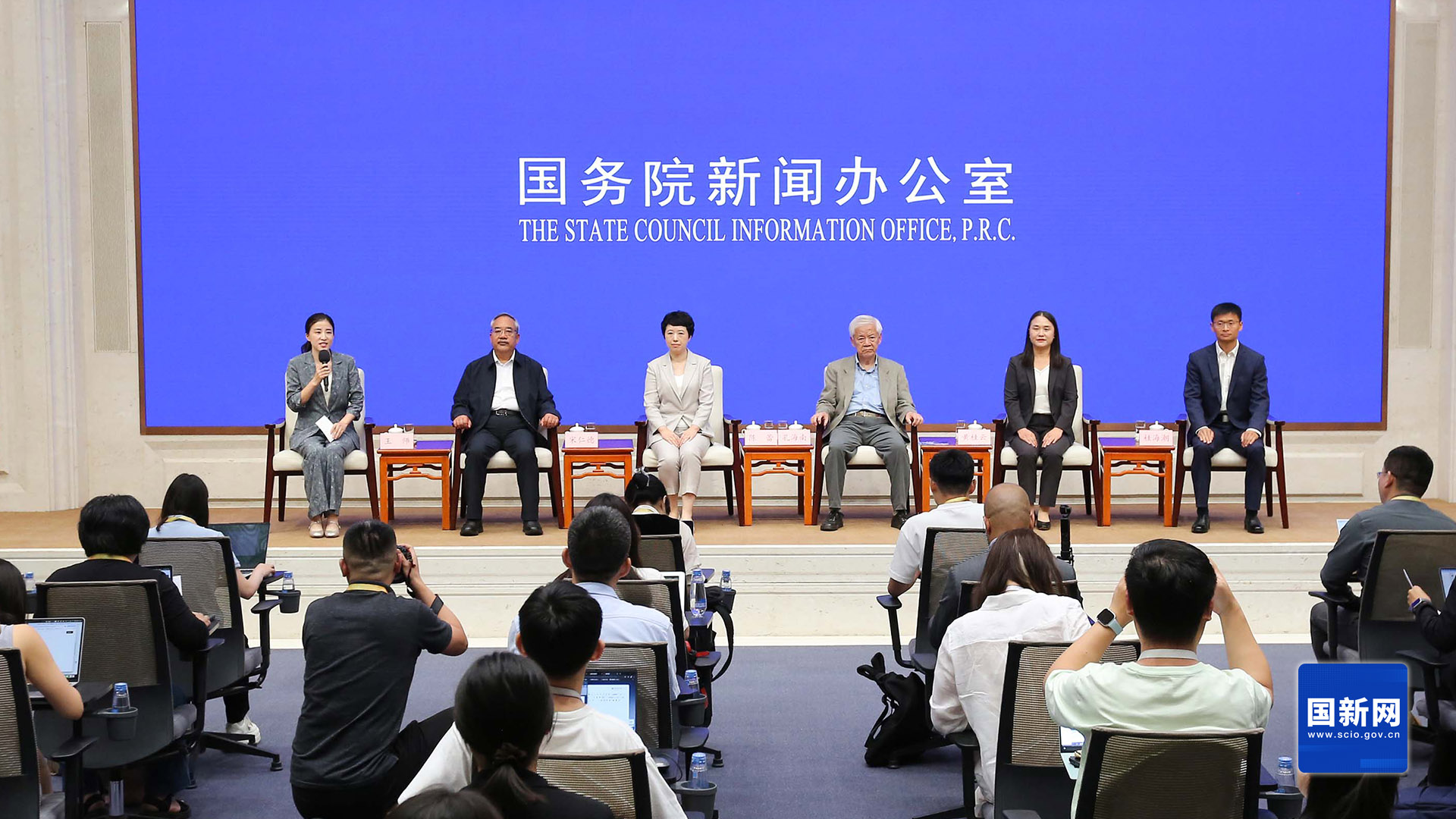
The five "most beautiful sci-tech workers" meet with journalists at a press conference, Beijing, China, July 3, 2026. /State Council Information Office

China on Friday spotlighted five "most beautiful sci-tech workers" whose achievements reflect the country's push for technological self-reliance.

The workers span space exploration, ecological restoration, medicine and plateau agriculture.

Gui Haichao, a Beihang University professor and China's first payload specialist aboard the China Space Station, spent 154 days in orbit during the Shenzhou-16 mission in 2023, completing 68 experiments.
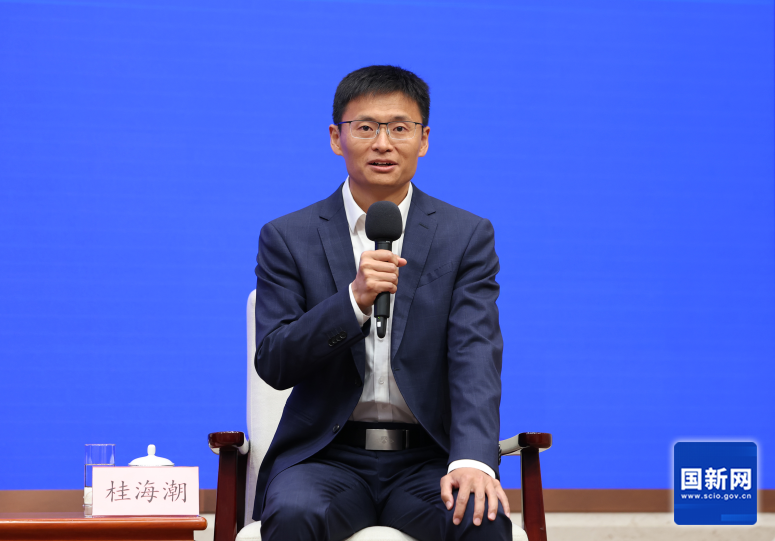
Gui Haichao talks with journalists at the press conference, Beijing, China, July 3, 2026. /SCIO

Gui Haichao talks with journalists at the press conference, Beijing, China, July 3, 2026. /SCIO

"When I was in college, China launched a manned mission once every two or three years. Now it's two per year," said Gui, who now leads research on space robotics and orbital debris.

Kong Hainan, 77, a retired Shanghai Jiao Tong University professor, spent over 20 years restoring Erhai Lake in Yunnan after severe algal blooms, helping improve its water quality to Class II standards. He recalled spotting the first wild Ottelia acuminata – a key water health indicator – in 2017 after 11 years of waiting.
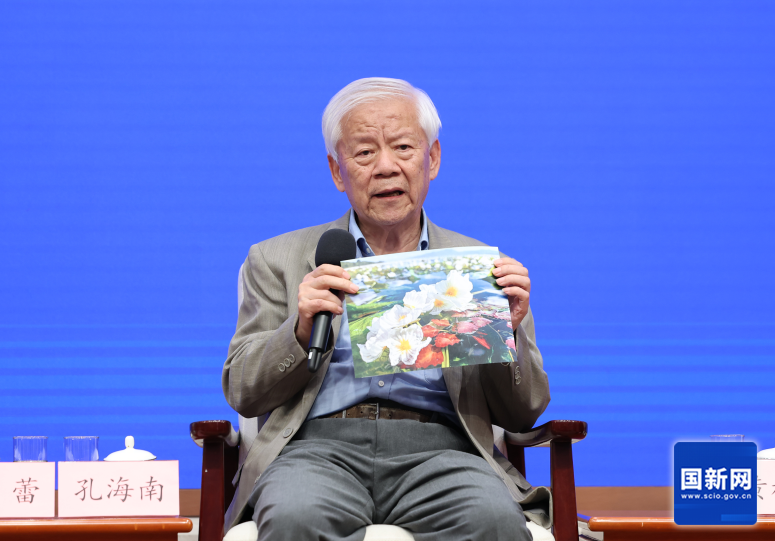
Kong Hainan shows a photo of Ottelia acuminata to journalists at the press conference, Beijing, China, July 3, 2026. /SCIO

Kong Hainan shows a photo of Ottelia acuminata to journalists at the press conference, Beijing, China, July 3, 2026. /SCIO

Chen Lei, a neurology professor at West China Hospital, built the world's first database for women of reproductive age with epilepsy, a long-neglected field. She said the work was inspired by pregnant patients desperate for guidance on whether they could safely have children.
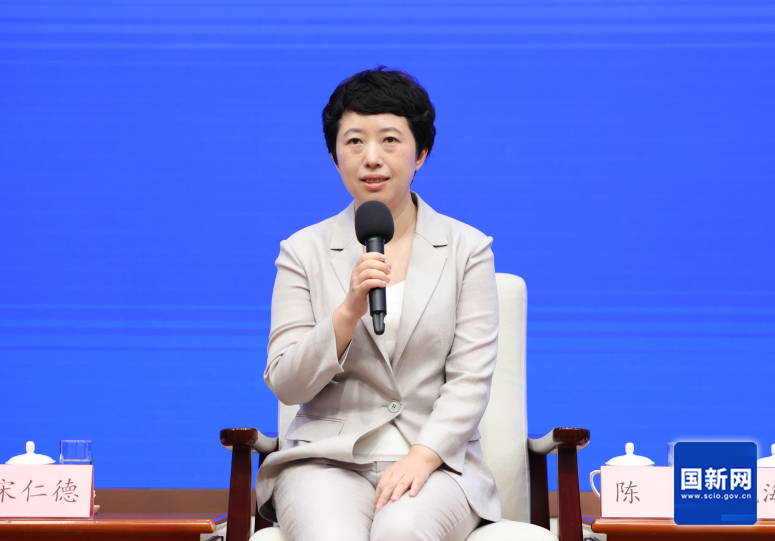
Chen Lei talks with journalists at the press conference, Beijing, China, July 3, 2026. /SCIO

Chen Lei talks with journalists at the press conference, Beijing, China, July 3, 2026. /SCIO

Song Rende, a veterinary researcher at 4,200 meters above sea level on the Qinghai-Xizang Plateau, spent 40 years developing yak breeding and feeding techniques. Herders call him "Doctor Yak" – both for his doctorate and because his results are, in their words, "incredibly impressive."
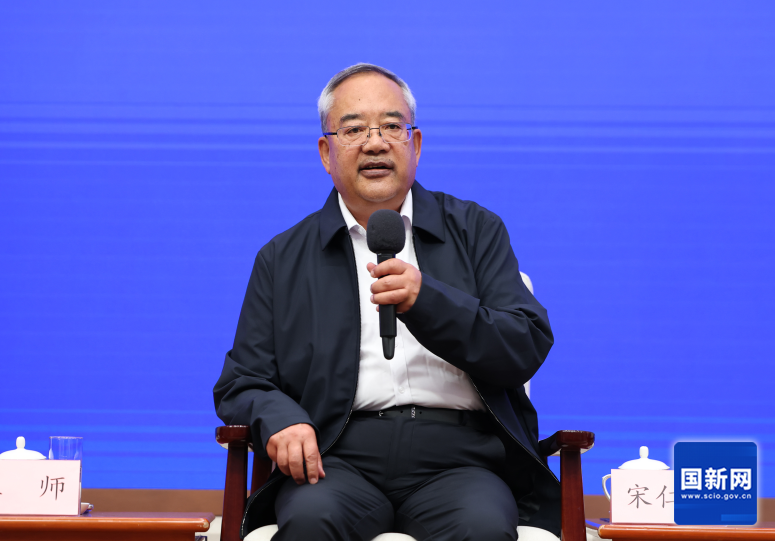
Song Rende talks with journalists at the press conference, Beijing, China, July 3, 2026. /SCIO

Song Rende talks with journalists at the press conference, Beijing, China, July 3, 2026. /SCIO

Huang Guiyun, a plant conservationist with the Three Gorges Group, has relocated and protected 2,160 rare plant species and is now applying those techniques to desertification control in northern China.
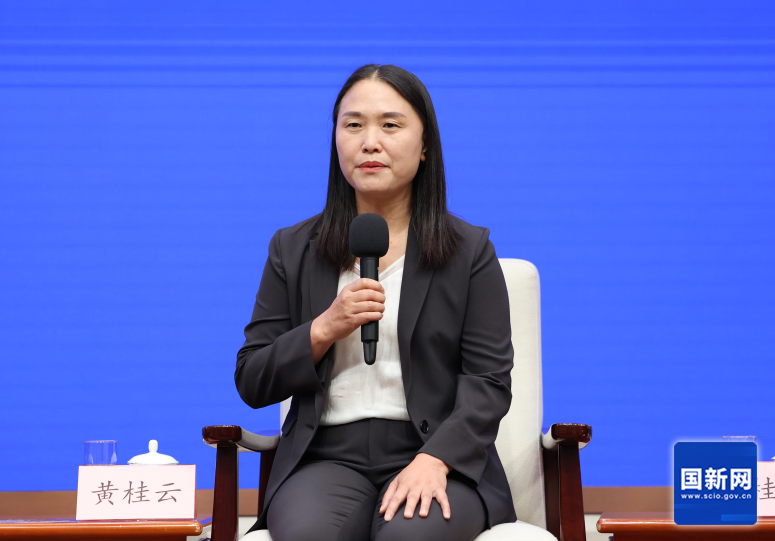
Huang Guiyun talks with journalists at the press conference, Beijing, China, July 3, 2026. /SCIO

Huang Guiyun talks with journalists at the press conference, Beijing, China, July 3, 2026. /SCIO

"Science and innovation are like two wings of a bird – neither can be missing," Huang said, stressing the need for public science education.


Original Text (This is the original text for your reference.)

The five

The five "most beautiful sci-tech workers" meet with journalists at a press conference, Beijing, China, July 3, 2026. /State Council Information Office

China on Friday spotlighted five "most beautiful sci-tech workers" whose achievements reflect the country's push for technological self-reliance.

The workers span space exploration, ecological restoration, medicine and plateau agriculture.

Gui Haichao, a Beihang University professor and China's first payload specialist aboard the China Space Station, spent 154 days in orbit during the Shenzhou-16 mission in 2023, completing 68 experiments.

Gui Haichao talks with journalists at the press conference, Beijing, China, July 3, 2026. /SCIO

Gui Haichao talks with journalists at the press conference, Beijing, China, July 3, 2026. /SCIO

"When I was in college, China launched a manned mission once every two or three years. Now it's two per year," said Gui, who now leads research on space robotics and orbital debris.

Kong Hainan, 77, a retired Shanghai Jiao Tong University professor, spent over 20 years restoring Erhai Lake in Yunnan after severe algal blooms, helping improve its water quality to Class II standards. He recalled spotting the first wild Ottelia acuminata – a key water health indicator – in 2017 after 11 years of waiting.

Kong Hainan shows a photo of Ottelia acuminata to journalists at the press conference, Beijing, China, July 3, 2026. /SCIO

Kong Hainan shows a photo of Ottelia acuminata to journalists at the press conference, Beijing, China, July 3, 2026. /SCIO

Chen Lei, a neurology professor at West China Hospital, built the world's first database for women of reproductive age with epilepsy, a long-neglected field. She said the work was inspired by pregnant patients desperate for guidance on whether they could safely have children.

Chen Lei talks with journalists at the press conference, Beijing, China, July 3, 2026. /SCIO

Chen Lei talks with journalists at the press conference, Beijing, China, July 3, 2026. /SCIO

Song Rende, a veterinary researcher at 4,200 meters above sea level on the Qinghai-Xizang Plateau, spent 40 years developing yak breeding and feeding techniques. Herders call him "Doctor Yak" – both for his doctorate and because his results are, in their words, "incredibly impressive."

Song Rende talks with journalists at the press conference, Beijing, China, July 3, 2026. /SCIO

Song Rende talks with journalists at the press conference, Beijing, China, July 3, 2026. /SCIO

Huang Guiyun, a plant conservationist with the Three Gorges Group, has relocated and protected 2,160 rare plant species and is now applying those techniques to desertification control in northern China.

Huang Guiyun talks with journalists at the press conference, Beijing, China, July 3, 2026. /SCIO

Huang Guiyun talks with journalists at the press conference, Beijing, China, July 3, 2026. /SCIO

"Science and innovation are like two wings of a bird – neither can be missing," Huang said, stressing the need for public science education.

Comments

    Something to say?

    Login or Sign up for free

    Disclaimer: The translated content is provided by third-party translation service providers, and IKCEST shall not assume any responsibility for the accuracy and legality of the content.
    Translate engine
    Article's language
    English
    中文
    Pусск
    Français
    Español
    العربية
    Português
    Kikongo
    Dutch
    kiswahili
    هَوُسَ
    IsiZulu
    Action
    Related

    Report

    Select your report category *


    Reason *


    By pressing send, your feedback will be used to improve IKCEST. Your privacy will be protected.

    Submit
    Cancel