

Welcome to the IKCEST
Namibia moves to fast-track cybercrime laws amid digital expansion
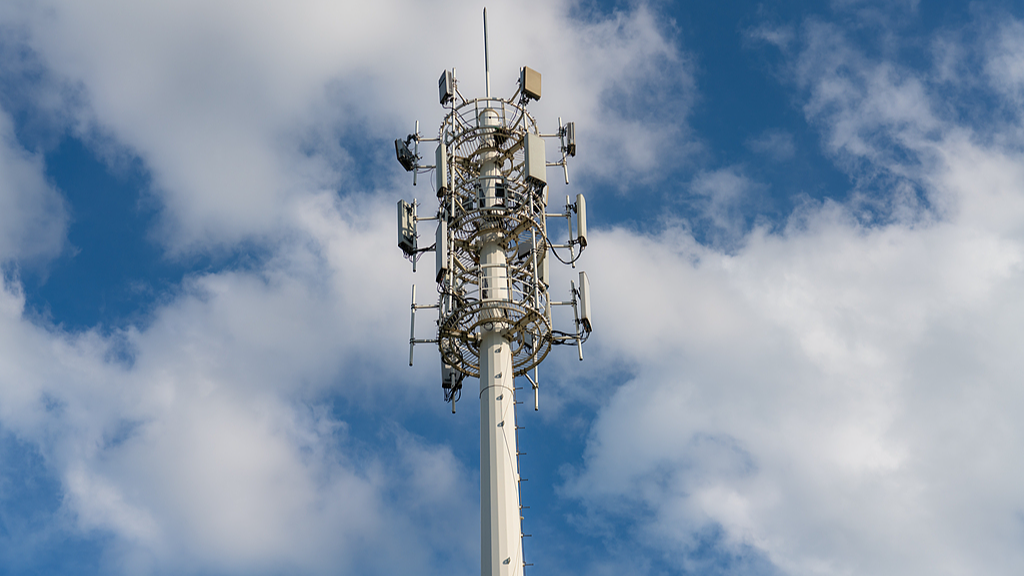
5G signal tower. /CFP

5G signal tower. /CFP

Namibia will fast-track long-delayed cybercrime and data protection legislation while expanding digital infrastructure in rural regions, a move the government says is aimed at confronting technology-enabled crime and closing the country's digital divide.

The initiatives were outlined on Monday during the Ministry of Information and Communication Technology's staff meeting.

Consultations on the draft cybercrime bill are set to resume on February 2, following months of delay. The proposed legislation is intended to address a growing range of digital offenses, including online harassment, cyberstalking, image-based abuse and the misuse of deepfake technology, with particular emphasis on crimes linked to gender-based violence.

The ministry says the Data Protection Bill has completed stakeholder consultations and is ready for re-submission to the Cabinet Committee on Legislation, a procedural step required before it can be introduced in parliament. The bill is expected to establish clearer rules governing the collection, storage and use of personal data, an issue that has drawn increasing scrutiny as Namibia expands its digital services.

Alongside legislative reforms, the government is accelerating investment in digital infrastructure, particularly in underserved rural communities. The Universal Service Fund, which supports connectivity projects, has been capitalized with about $5 million over the past two years.

Nine telecommunications towers have already been constructed in rural regions, extending free internet access to schools and health facilities within their coverage areas for seven years. Additional rollout is planned for more remote communities, officials said.

Telecom Namibia has installed approximately 80 mobile sites under its mobile network expansion project and is nearing completion of its fiber-to-the-home program. The launch of fifth-generation, or 5G, services is being rolled out in line with the country's national 5G strategy.

The government also plans to revive the National ICT Summit in 2026 in a redesigned format, incorporating the National Mega Hackathon as part of a broader effort to promote youth-driven innovation and locally developed digital solutions.

Edited by CGTN Africa reporter Marion Gachuhi

Source(s): Xinhua News Agency

Original Text (This is the original text for your reference.)

5G signal tower. /CFP

5G signal tower. /CFP

Namibia will fast-track long-delayed cybercrime and data protection legislation while expanding digital infrastructure in rural regions, a move the government says is aimed at confronting technology-enabled crime and closing the country's digital divide.

The initiatives were outlined on Monday during the Ministry of Information and Communication Technology's staff meeting.

Consultations on the draft cybercrime bill are set to resume on February 2, following months of delay. The proposed legislation is intended to address a growing range of digital offenses, including online harassment, cyberstalking, image-based abuse and the misuse of deepfake technology, with particular emphasis on crimes linked to gender-based violence.

The ministry says the Data Protection Bill has completed stakeholder consultations and is ready for re-submission to the Cabinet Committee on Legislation, a procedural step required before it can be introduced in parliament. The bill is expected to establish clearer rules governing the collection, storage and use of personal data, an issue that has drawn increasing scrutiny as Namibia expands its digital services.

Alongside legislative reforms, the government is accelerating investment in digital infrastructure, particularly in underserved rural communities. The Universal Service Fund, which supports connectivity projects, has been capitalized with about $5 million over the past two years.

Nine telecommunications towers have already been constructed in rural regions, extending free internet access to schools and health facilities within their coverage areas for seven years. Additional rollout is planned for more remote communities, officials said.

Telecom Namibia has installed approximately 80 mobile sites under its mobile network expansion project and is nearing completion of its fiber-to-the-home program. The launch of fifth-generation, or 5G, services is being rolled out in line with the country's national 5G strategy.

The government also plans to revive the National ICT Summit in 2026 in a redesigned format, incorporating the National Mega Hackathon as part of a broader effort to promote youth-driven innovation and locally developed digital solutions.

Edited by CGTN Africa reporter Marion Gachuhi

Source(s): Xinhua News Agency
Comments

    Something to say?

    Login or Sign up for free

    Disclaimer: The translated content is provided by third-party translation service providers, and IKCEST shall not assume any responsibility for the accuracy and legality of the content.
    Translate engine
    Article's language
    English
    中文
    Pусск
    Français
    Español
    العربية
    Português
    Kikongo
    Dutch
    kiswahili
    هَوُسَ
    IsiZulu
    Action
    Related

    Report

    Select your report category *


    Reason *


    By pressing send, your feedback will be used to improve IKCEST. Your privacy will be protected.

    Submit
    Cancel