


Welcome to the IKCEST
China's regulation on ecological environment monitoring takes effect
An aerial view of the Taitong-Kongtong Mountain Nature Reserve in Pingliang, northwest China's Gansu Province, May 25, 2025. /VCG

An aerial view of the Taitong-Kongtong Mountain Nature Reserve in Pingliang, northwest China's Gansu Province, May 25, 2025. /VCG

China's new regulation on ecological environment monitoring takes effect on January 1. The regulation, promulgated by a State Council decree signed by Chinese Premier Li Qiang in November, comprises seven chapters and 49 articles aimed at standardizing monitoring, strengthening capacity, and ensuring data quality.
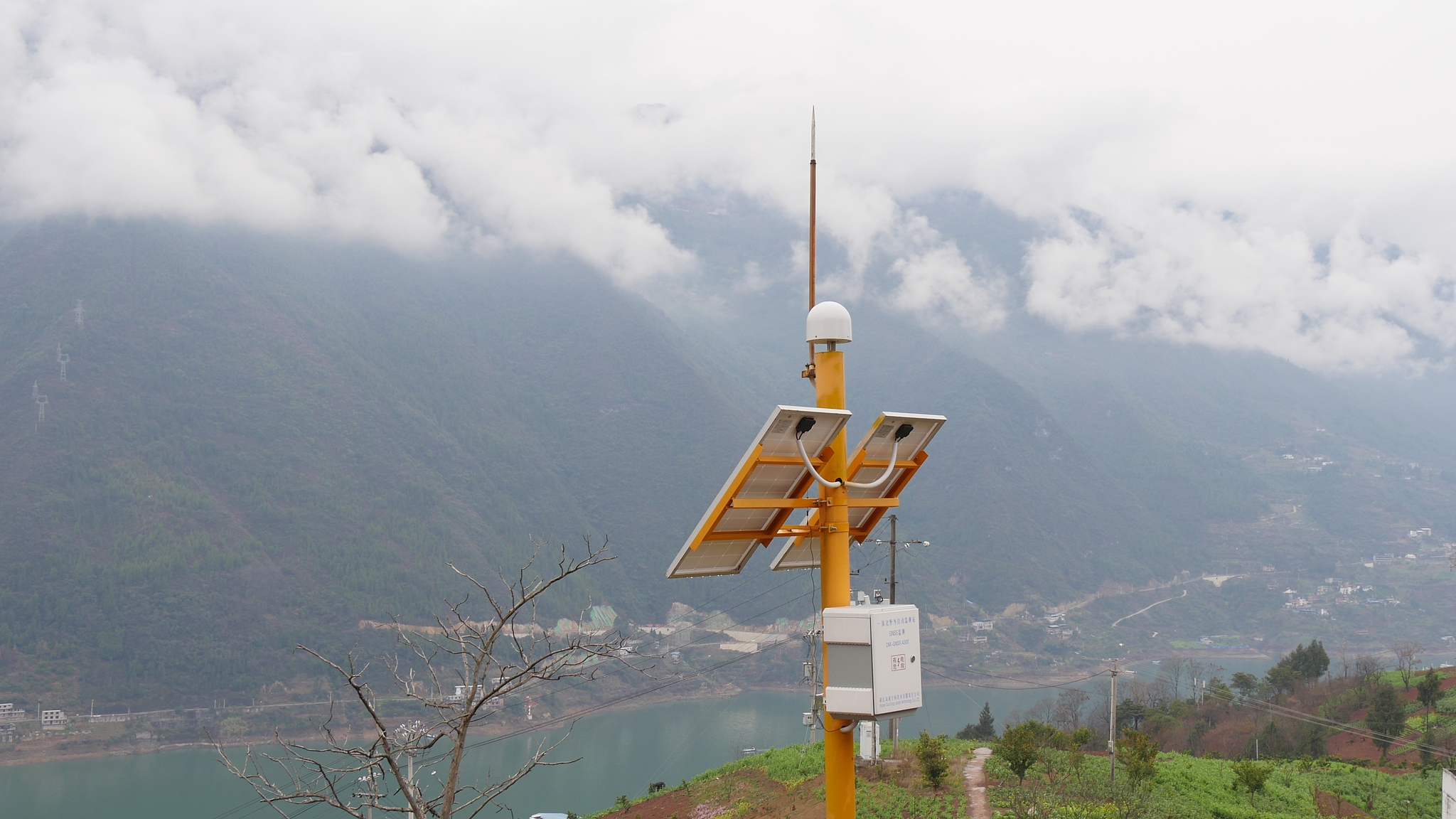
An automated monitoring station on a hillside along the Yangtze River in southwest China's Chongqing Municipality, February 2, 2025. /VCG

An automated monitoring station on a hillside along the Yangtze River in southwest China's Chongqing Municipality, February 2, 2025. /VCG

According to Zhang Dawei, head of the ecological environment monitoring department at China's Ministry of Ecology and Environment, the monitoring services market has seen intensifying low-price competition, with "bad money driving out good."

The regulation introduces institutional measures to guide the sector from disorderly expansion toward high-quality development. It also clarifies classified management for public monitoring and self-monitoring, as well as an integrated supervision approach described as "remote plus on-site plus credit," with stricter accountability that can penalize both organizations and directly responsible individuals, including fines and industry bans in serious cases.  
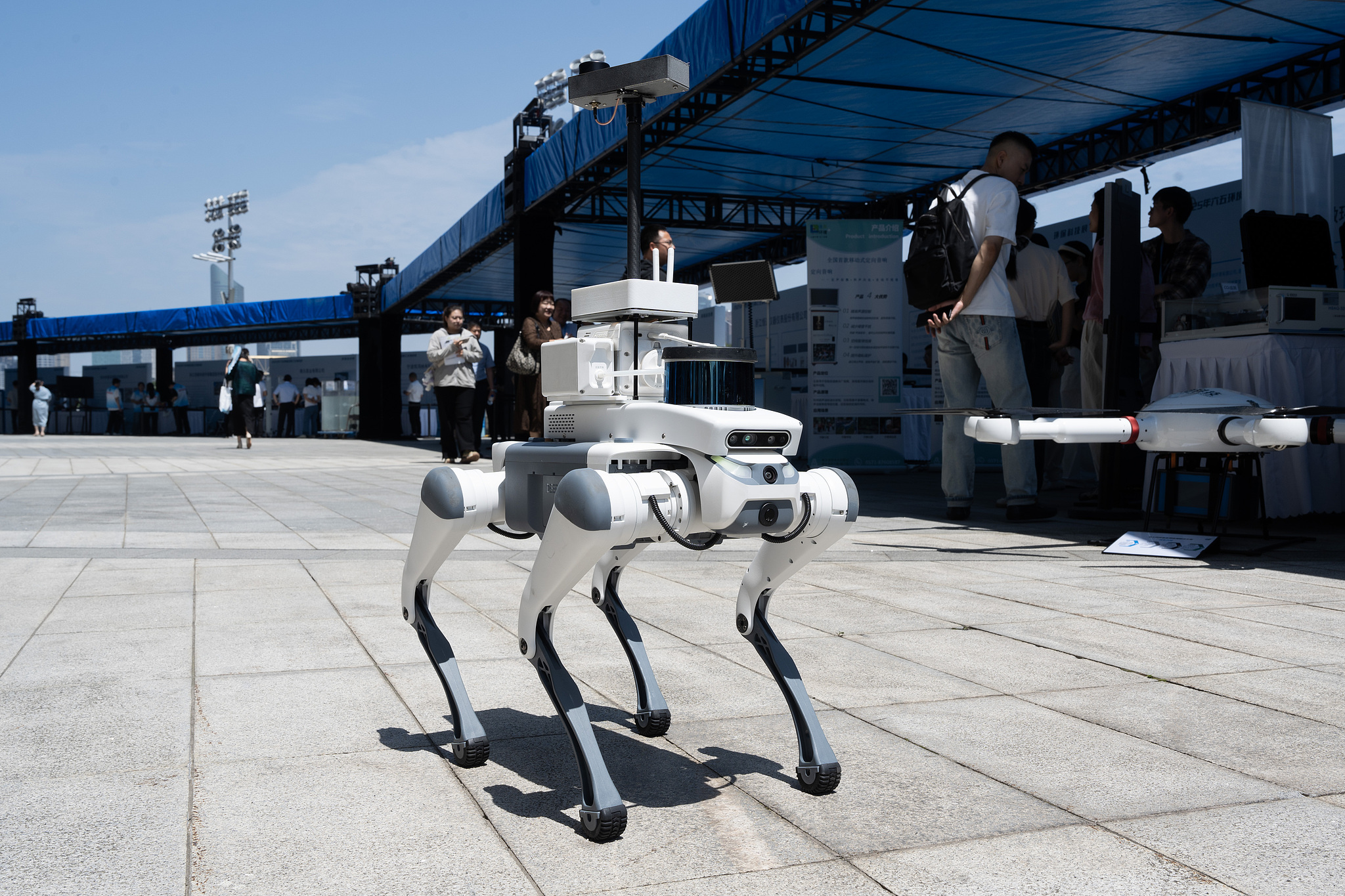
A robot dog capable of monitoring air pollution is showcased at an environmental technology expo in Hangzhou, eastern China's Zhejiang Province, June 5, 2025. /VCG

A robot dog capable of monitoring air pollution is showcased at an environmental technology expo in Hangzhou, eastern China's Zhejiang Province, June 5, 2025. /VCG

The regulation encourages the use of non-contact methods, such as remote sensing, in supervision and monitoring to improve efficiency and reduce disruption to normal business operations. Zhang said that during the 15th Five-Year Plan period (2026-2030), China is looking to advance satellite constellations and the broader application of unmanned technologies in the national monitoring network to achieve faster, more reliable monitoring and significantly reduce manual work.


Source(s): Xinhua News Agency

Original Text (This is the original text for your reference.)

An aerial view of the Taitong-Kongtong Mountain Nature Reserve in Pingliang, northwest China's Gansu Province, May 25, 2025. /VCG

An aerial view of the Taitong-Kongtong Mountain Nature Reserve in Pingliang, northwest China's Gansu Province, May 25, 2025. /VCG

China's new regulation on ecological environment monitoring takes effect on January 1. The regulation, promulgated by a State Council decree signed by Chinese Premier Li Qiang in November, comprises seven chapters and 49 articles aimed at standardizing monitoring, strengthening capacity, and ensuring data quality.

An automated monitoring station on a hillside along the Yangtze River in southwest China's Chongqing Municipality, February 2, 2025. /VCG

An automated monitoring station on a hillside along the Yangtze River in southwest China's Chongqing Municipality, February 2, 2025. /VCG

According to Zhang Dawei, head of the ecological environment monitoring department at China's Ministry of Ecology and Environment, the monitoring services market has seen intensifying low-price competition, with "bad money driving out good."

The regulation introduces institutional measures to guide the sector from disorderly expansion toward high-quality development. It also clarifies classified management for public monitoring and self-monitoring, as well as an integrated supervision approach described as "remote plus on-site plus credit," with stricter accountability that can penalize both organizations and directly responsible individuals, including fines and industry bans in serious cases.  

A robot dog capable of monitoring air pollution is showcased at an environmental technology expo in Hangzhou, eastern China's Zhejiang Province, June 5, 2025. /VCG

A robot dog capable of monitoring air pollution is showcased at an environmental technology expo in Hangzhou, eastern China's Zhejiang Province, June 5, 2025. /VCG

The regulation encourages the use of non-contact methods, such as remote sensing, in supervision and monitoring to improve efficiency and reduce disruption to normal business operations. Zhang said that during the 15th Five-Year Plan period (2026-2030), China is looking to advance satellite constellations and the broader application of unmanned technologies in the national monitoring network to achieve faster, more reliable monitoring and significantly reduce manual work.

Source(s): Xinhua News Agency
Comments

    Something to say?

    Login or Sign up for free

    Disclaimer: The translated content is provided by third-party translation service providers, and IKCEST shall not assume any responsibility for the accuracy and legality of the content.
    Translate engine
    Article's language
    English
    中文
    Pусск
    Français
    Español
    العربية
    Português
    Kikongo
    Dutch
    kiswahili
    هَوُسَ
    IsiZulu
    Action
    Related

    Report

    Select your report category *


    Reason *


    By pressing send, your feedback will be used to improve IKCEST. Your privacy will be protected.

    Submit
    Cancel