

Welcome to the IKCEST
Great Wall's 'living skin' acts as natural protective shield

New research has revealed that a thin "living skin" covering the surface of the Great Wall of China serves as a powerful natural protective layer.
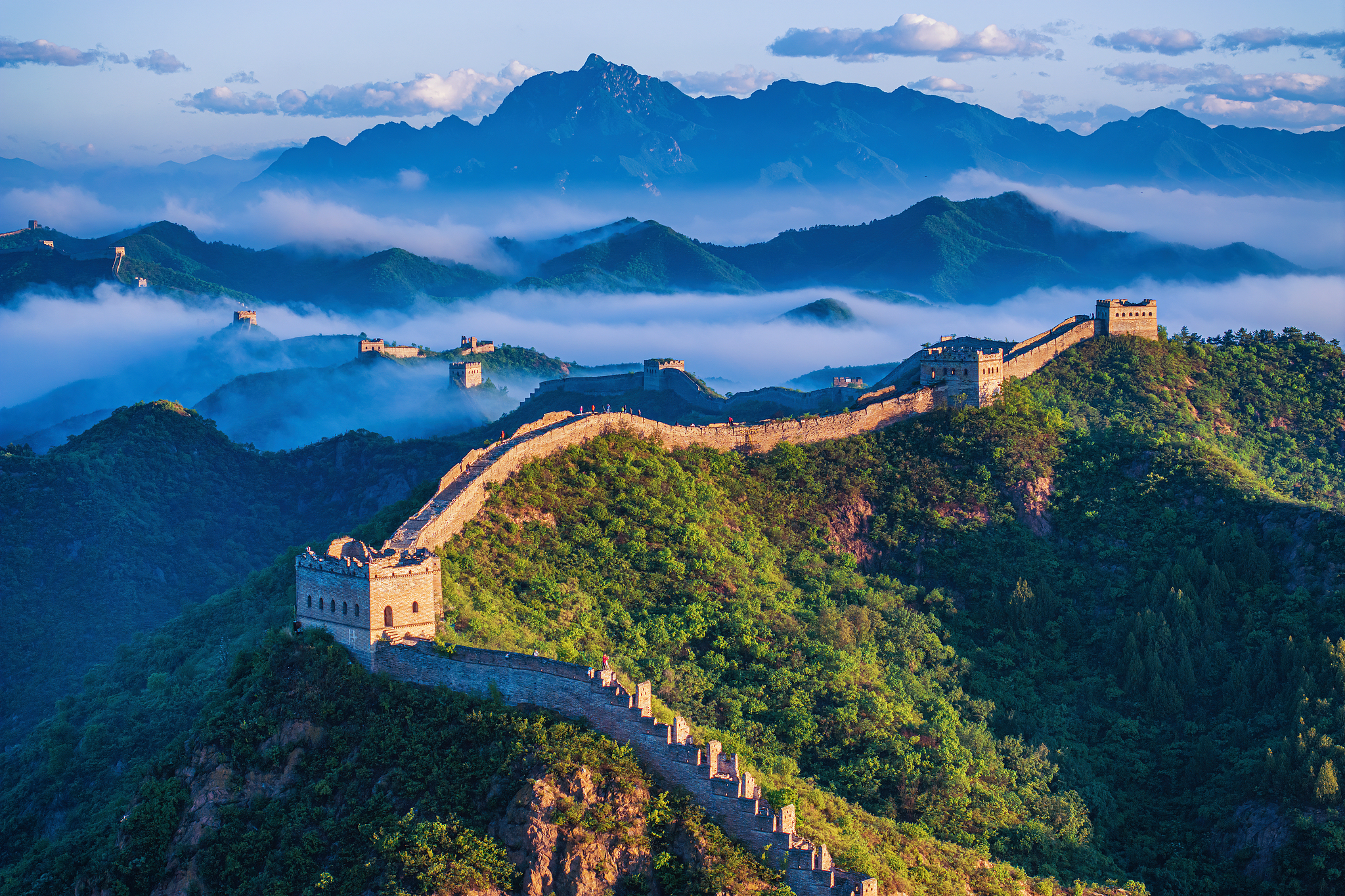
The Jinshanling Great Wall, Chengde, Hebei Province, north China. /VCG

The Jinshanling Great Wall, Chengde, Hebei Province, north China. /VCG

The study, published this week in the journal Current Biology, has shown that this microbial community, known as "biocrust," which covers large sections of this ancient monument, not only enriches biodiversity on the Great Wall but also effectively resists deterioration, playing a key role in its long-term preservation.

Scientists from China Agricultural University analyzed six sampling sites along a 600-kilometer stretch of the Great Wall, traversing both arid and semi-arid climates. They compared their surface microbiome, consisting of complex aggregates of cyanobacteria, algae, lichens and mosses, with adjacent bare rammed-earth walls.
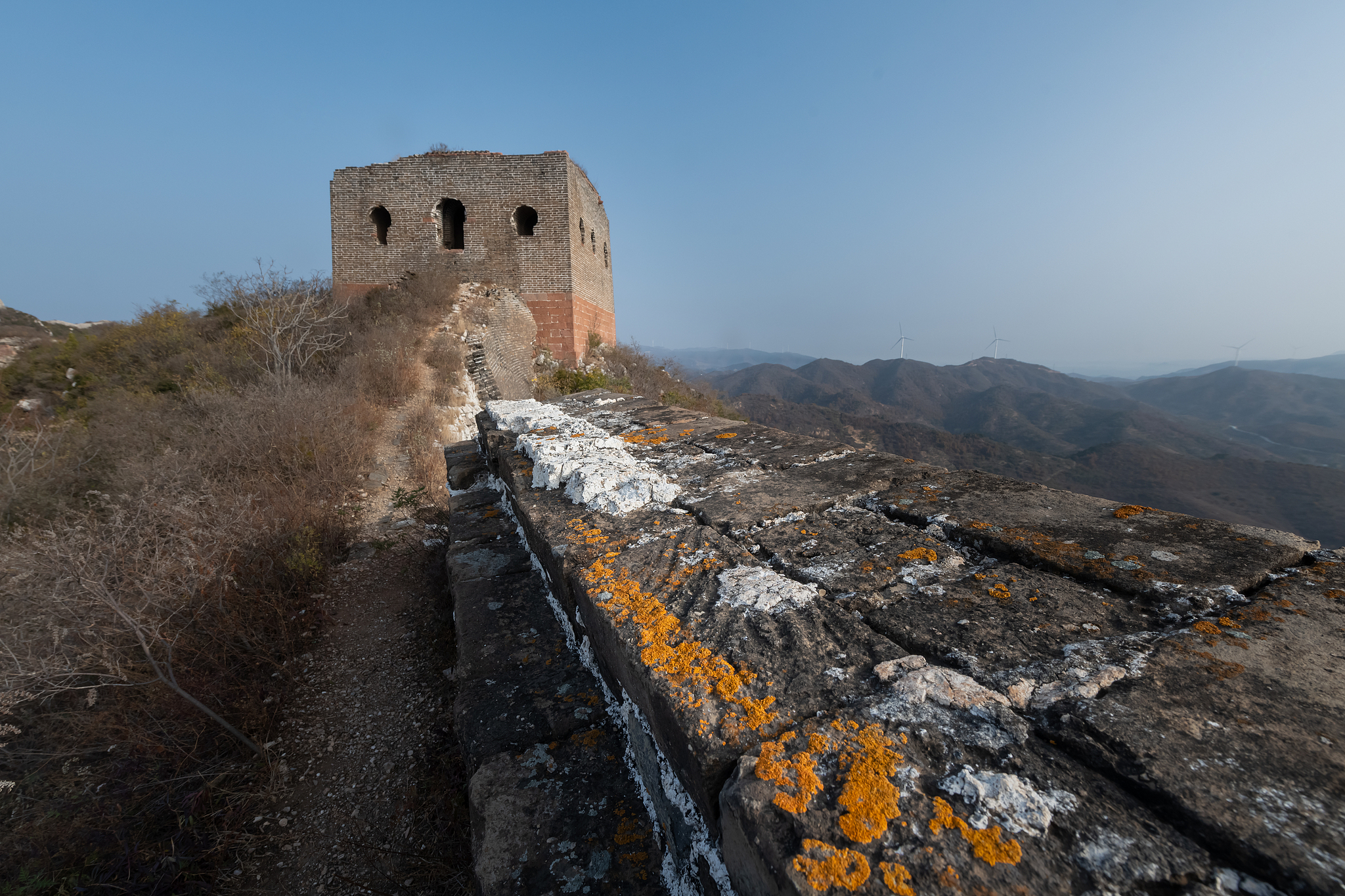
Vegetation along the Great Wall. /VCG

Vegetation along the Great Wall. /VCG

Results showed that sections covered by this biological crust supported bacterial and fungal communities with 12 to 62 percent greater abundance, diversity and network complexity.

Such a mosaic of biological soil crusts has enriched stress-resistant functional genes by 4 to 15 percent, while simultaneously reducing the prevalence of metabolic pathways associated with heritage deterioration, according to the study.

These findings serve as "a critical step toward understanding the microbiome of the Great Wall, which contributes to conserving this unparalleled human monument for future generations," the researchers said.


Source(s): Xinhua News Agency

Original Text (This is the original text for your reference.)

New research has revealed that a thin "living skin" covering the surface of the Great Wall of China serves as a powerful natural protective layer.

The Jinshanling Great Wall, Chengde, Hebei Province, north China. /VCG

The Jinshanling Great Wall, Chengde, Hebei Province, north China. /VCG

The study, published this week in the journal Current Biology, has shown that this microbial community, known as "biocrust," which covers large sections of this ancient monument, not only enriches biodiversity on the Great Wall but also effectively resists deterioration, playing a key role in its long-term preservation.

Scientists from China Agricultural University analyzed six sampling sites along a 600-kilometer stretch of the Great Wall, traversing both arid and semi-arid climates. They compared their surface microbiome, consisting of complex aggregates of cyanobacteria, algae, lichens and mosses, with adjacent bare rammed-earth walls.

Vegetation along the Great Wall. /VCG

Vegetation along the Great Wall. /VCG

Results showed that sections covered by this biological crust supported bacterial and fungal communities with 12 to 62 percent greater abundance, diversity and network complexity.

Such a mosaic of biological soil crusts has enriched stress-resistant functional genes by 4 to 15 percent, while simultaneously reducing the prevalence of metabolic pathways associated with heritage deterioration, according to the study.

These findings serve as "a critical step toward understanding the microbiome of the Great Wall, which contributes to conserving this unparalleled human monument for future generations," the researchers said.

Source(s): Xinhua News Agency
Comments

    Something to say?

    Login or Sign up for free

    Disclaimer: The translated content is provided by third-party translation service providers, and IKCEST shall not assume any responsibility for the accuracy and legality of the content.
    Translate engine
    Article's language
    English
    中文
    Pусск
    Français
    Español
    العربية
    Português
    Kikongo
    Dutch
    kiswahili
    هَوُسَ
    IsiZulu
    Action
    Related

    Report

    Select your report category *


    Reason *


    By pressing send, your feedback will be used to improve IKCEST. Your privacy will be protected.

    Submit
    Cancel