




 User Center
 My Training Class
 Feedback


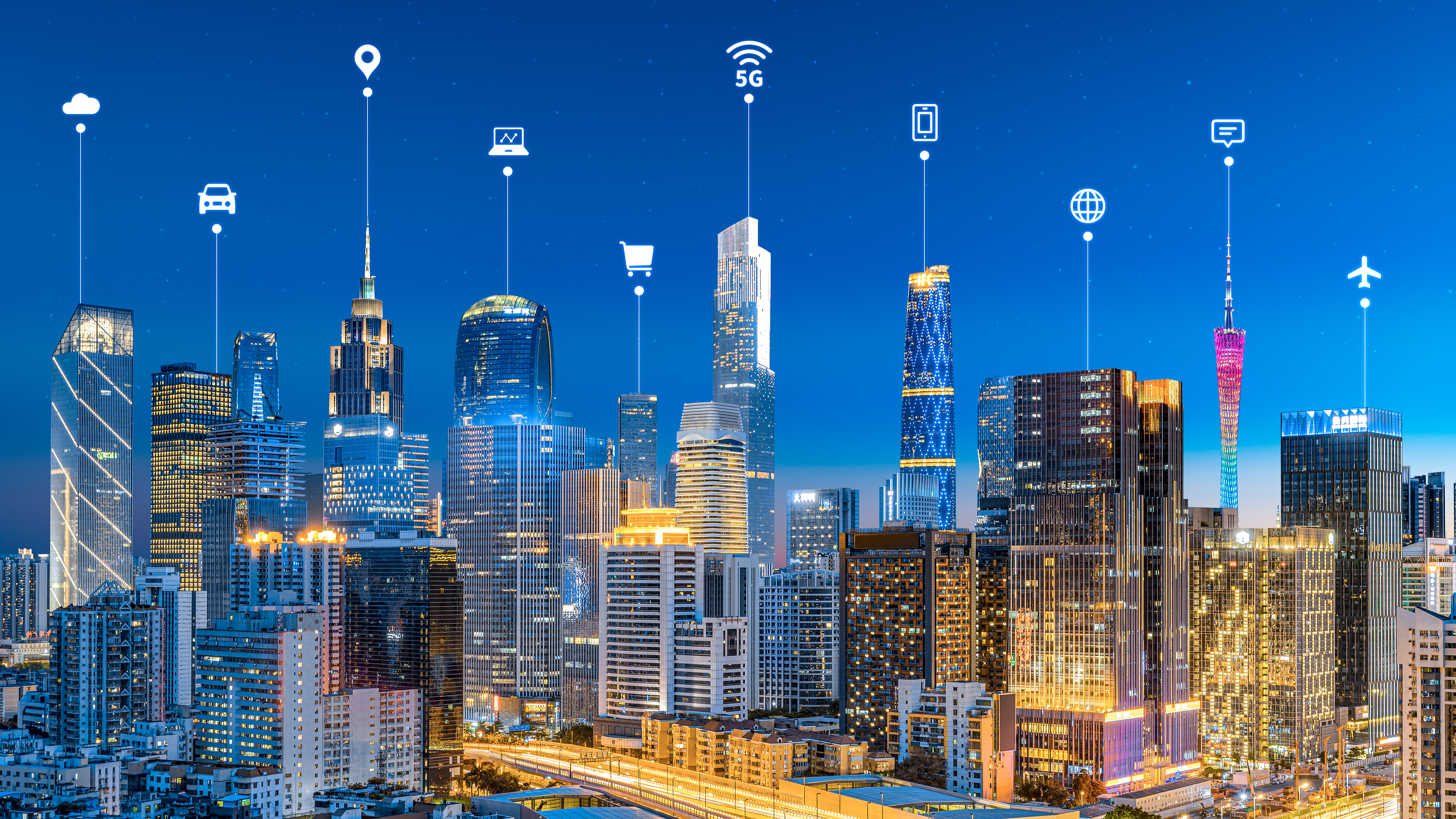
An illustration of internet of things. /VCG
Digital technologies are profoundly reshaping the energy industry, driving the global energy system toward greater efficiency, sustainability and intelligence, experts said at the World Internet of Things Convention (WIOTC) 2025 from November 28 to 29 in Beijing.
The digital energy revolution has become a core engine for upgrading the energy digital economy, said He Qiang, vice chairman of the 2025 WIOTC executive committee, during the smart energy forum.
He noted that big data brings transparency to energy system operations, while artificial intelligence (AI) provides the system with cognitive and decision-making capabilities. Additionally, blockchain technology creates a trusted foundation for distributed energy transactions. All of these technologies are interconnected through the Internet of Things (IoT), forming an integrated digital ecosystem.
This transformation is now unfolding on a global scale.
Wang Yongjie, director of the Energy Working Committee of the China Information Association, observed that technology convergence is making energy monitoring in remote areas possible – as demonstrated by smart microgrid projects in Southeast Asia that provide renewable power while also boosting Chinese equipment exports.
"The push for green transition has prompted over 130 countries to commit to carbon neutrality, while dissolving market boundaries are accelerating the spread of digital energy solutions from developed economies to emerging markets, including Belt and Road regions," he said.
"In this process, China's growing alignment with global demand represents not just technical export but a meaningful restructuring of global energy governance," Wang added.
A Chinese policy document on AI-driven, high-quality energy development issued in September 2025 sets the goal of establishing an integrated energy-AI innovation system by 2027, with the aim of achieving world-leading AI applications in the energy sector by 2030.
As policies continue to advance, AI is finding increasingly substantial applications across the energy sector.
Han Xiaoyan, president of BOE Energy Technology CO., Ltd., shared that AI is now being used for accurate forecasting in power generation and consumption, intelligent dispatch to optimize returns, fault diagnosis in renewable energy plants and operational efficiency improvements via large model-based Q&A systems.
"These practical applications demonstrate AI's evolution from theoretical concept to productive tool in the energy industry," she explained.
Despite such progress, considerable challenges remain. Wang pointed to persistent technical barriers, ongoing data security concerns and extended investment cycles as key issues facing the sector.
He cited examples such as outdated systems that cannot integrate with modern sensors, data leakage risks in cross-border energy transactions, and constrained returns due to insufficient localized operational support in some markets.
To tackle these challenges, Wang proposed the creation of open technology platforms for sharing AI and digital twin solutions. This approach aims to enhance international standard coordination to facilitate technical recognition and cultivate an innovation ecosystem that supports the global expansion of small and medium-sized enterprises.
Themed "Intelligently Interconnected New Economy, Smart Society in the New Era," the 2025 WIOTC brought together officials, experts, scholars and business representatives from more than 80 countries – to discuss the role of IoT in advancing a common and sustainable digital transformation of the global economy.




 Report
 Share
Share





Comments
Something to say?
Login or Sign up for free